


OUR BEST FRIENDS
For those who will be visiting the land of the Ancient Olympics
Those of you who are preparing to visit the land of the Ancient Olympics, where Alexander the Great, a Macedonian by birth, was not permitted to participate, beware.
Beware of the smooth words of Greek propaganda which, while lying to you, will intoxicate you with ancient Hellenic wonders and connect you to the Modern Greeks.
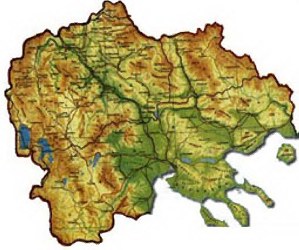
In northern Greece you will find Macedonia, a land now partitioned and occupied. Know that in 1912 Macedonia was invaded and occupied by Greek, Bulgarian and Serbian military forces and on August 10, 1913 under the shameful Bucharest Agreement, was permanently partitioned among them.
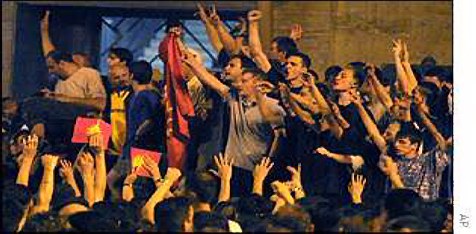
You may have heard that one part of Macedonia was liberated in 1945, and is now the Republic of Macedonia. Do you know that Greece has made every effort to force the Republic to change its name? Do you know that Greek chauvinism is hard at work destroying everything that is Macedonian?
Fourteen million tourists visit Greece every year, yet the Macedonian refugees who left Greece during the Greek Civil war of 1946 to 1949 are still not allowed to return, not even for a visit. Did you know that in 1948 thirty thousand children, between the ages of two and fourteen, were taken from their mothers, separated from their families and permanently exiled to foreign lands throughout the world? Did you know that fifty-five years have passed and the doors for these innocents are still closed? Did you know that Greece is responsible for exiling these children to live out their lives in foreign lands, to grow old away from their parents and siblings, never able to return, not even for a visit? Is this the Greece that portrays itself as the cradle of Democracy?
Know that Macedonia is the land of the Macedonian people, which not too long ago was taken from them. When you visit Macedonia, know that there are people living there without the most basic human rights. When you walk on Macedonian soil know that you are walking on graves without markers, without names, without a sign. This is the land of the thousands who have been tortured in Greek concentration camps, murdered because of their race, exiled and forcibly assimilated into the Greek fold. This is the land of the neglected and forgotten people.
The honour of the Olympic games belongs to the Ancients not to the Modern Greeks. The Ancients were a different people who would not allow foreigners to participate in their games. Even Alexander the Great of Macedonia was not allowed to participate because by birth he was not one of them
Know that in today's Greece, especially in Macedonia, if you are not a Greek by birth you have no right to own land. The lands and homes of the Macedonian people were annexed by the Greek State and awarded to foreigners from Asia Minor who in the 1920's were relocated to Macedonia. These foreigners, whose populations have now grown, have declared themselves to be the legal heirs of Macedonia and claim that the real Macedonians do not exist.
Behind the veil of the Ancient Olympics are hidden many truths: the spilled blood of Macedonian heroes, the horror of the Greek occupation, the forced assimilation and tyranny of the Greek regimes. At the hands of the Greeks, many Macedonians have endured torture, imprisonment, killings, isolation, hatred and lack of ethnic and basic human rights. These are the forgotten tragedies of the Macedonian people.
Greek chauvinism has planted the seeds of hatred and turned the Greek people into an army of antagonists. To this day, Macedonians live in fear of retribution and don't dare reveal themselves. To this day there are no laws to stop Greek chauvinism.
When you visit the lands of the Ancient Olympics remember the Macedonians.
Georgi F. Todorovski
MACEDONIA FOR THE MACEDONIANS

 Welcome visitors | Macedonian heroes | Macedonian Poems | Zhelevo | Georgi | My Poetry | Articles | Documents | Makedonski Protesti | Interesting Articles | Macedonian Links | My Photos | My Pets | Comments & Jokes | Gerkoman prayer | The partition of Macedonia | THE MACEDONIANS




 Online Journal on Macedonian History and Culture




"Macedonia through the Centuries" is an exhibition of documents representing a concise retrospective review on the genesis of the Macedonian people concerning the political, economic and cultural life in Macedonia, in the course of the long period of history, from time immemorial until nowadays. The exhibition has been designed into eleven chronological and thematic entities, following each other and representing the historical development of the Macedonian people, language, statehood and culture through centuries.

 MAKEDONIJA


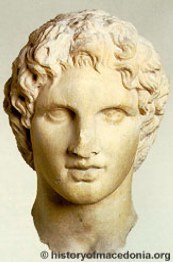
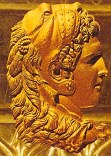
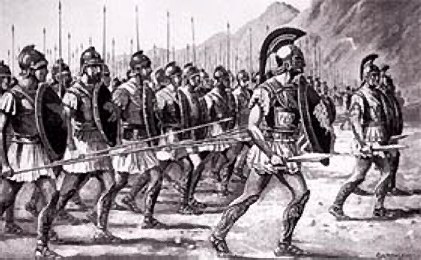 Alexander the Great At the Battle of Chaeronea the Greeks were defeated
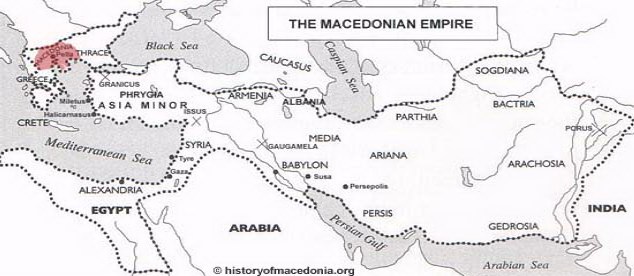
King of Macedonia and conqueror of the Persian Empire is considered one of the greatest military geniuses of all times. He was inspiration for later conquerors such as Hannibal the Carthaginian, the Romans Pompey and Caesar, and Napoleon the French. Alexander was born in 356 BC in Pella, the ancient capital of Macedonia. He was son of king Philip II of Macedonia, and princess Olympias of neighboring Epirus. He spent his childhood watching his father transforming Macedonia into a great military power, winning victory after victory on the battlefields throughout the Balkans. When he was 13, Philip hired the Greek philosopher Aristotle to be Alexander’s personal tutor. During the next three years Aristotle gave Alexander a training in rhetoric and literature and stimulated his interest in science, medicine, and philosophy, all of which became of importance in Alexander’s later life. In 340 Philip assembled a large Macedonian army and invaded Thrace, leaving his 16 years old son with the power to rule Macedonia in his absence as regent, which shows that even at such young age Alexander was recognized as quite capable. But as the Macedonian army advanced deep into Thrace, the Thracian tribe of Maedi bordering north-eastern Macedonia rebelled and posed a danger to the country. Alexander assembled an army, led it against the rebels, and with swift action defeated the Maedi, captured their stronghold, and renamed it after himself to Alexandropolis.
Two years later in 338 BC, Philip gave his son a commanding post among the senior generals as the Macedonian army invaded Greece. At the Battle of Chaeronea the Greeks were defeated and Alexander displayed his bravery by destroying the Theban Secred Band, the elite Greek force. Some ancients had recorded that the Macedonians won the battle thanks to his bravery.
Greek lies uncovered

 MAJKA MAKEDONIJA
Korenot na iljadnici stebla Posadeni pod mnogu neba, Izvorot od slavnoto minato Na eden zaboraven i nesreken narod. Majka shto ushte nosi crna roba I roni zheshki solzi, So vekovi shto se machi Za stari i skapi pravdini, Za svoeto lice vo svetliot den, Za svojata ubavina Vo svojata shiroka gradina.
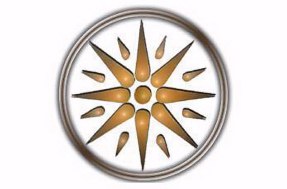

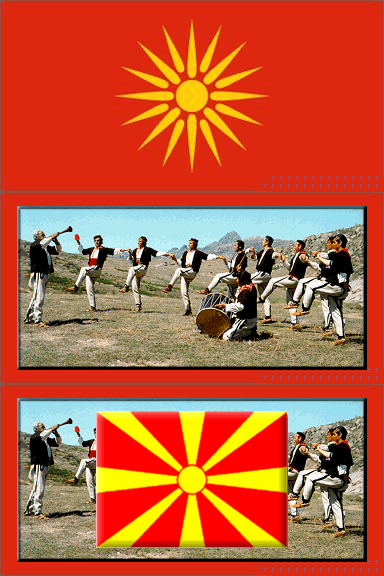
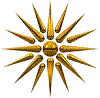
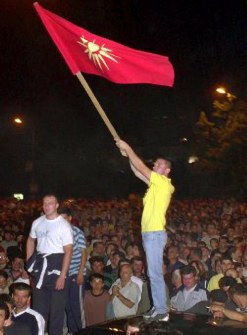
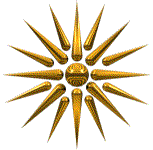
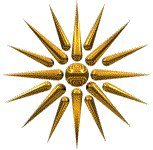
The Macedonian Sun is undoubtedly the oldest symbol in the world that still survives as cultural symbol of the Macedonians. This 8-rayed and 16-rayed Macedonian Sun had been cherished by the Macedonians for over 3,000 years. It appears on the coins, military equipment, and art of the ancient Macedonian kingdom, and continued to be National Insignia of the Macedonians throughout history to modern times. The Macedonian sun is found in the icons and frescoes in the churches throughout the whole territory of divided Macedonia, and speaks of volumes of tradition as the Macedonian nation had cherished it for centuries.


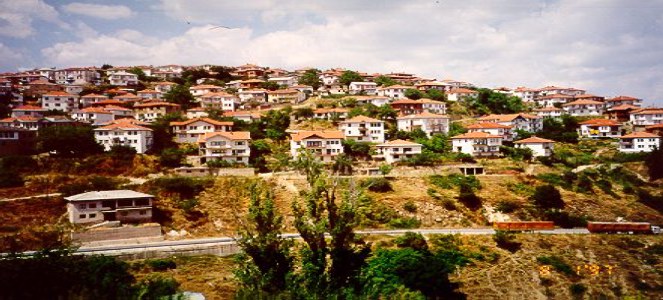 Krushevo,Republic of Macedonia
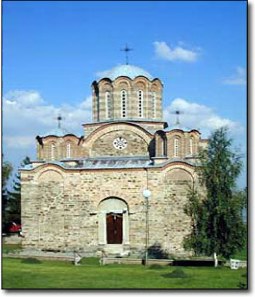
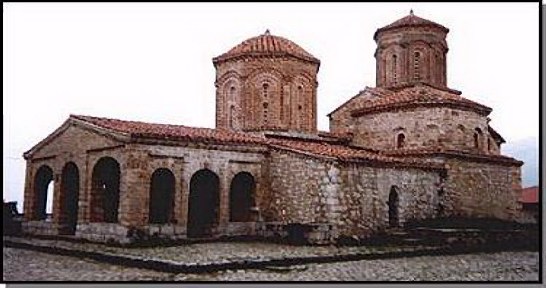 Church in Ohrid,Republic of Macedonia
 Kostur,Aegea Macedonia
 MACEDONIANS IN GREECE
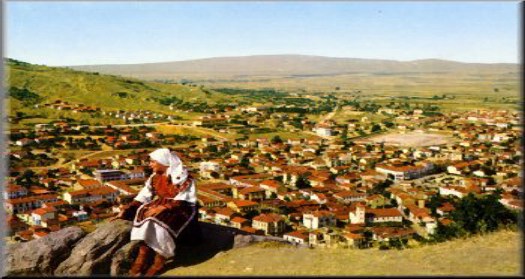 Lerin,Aegea Macedonia

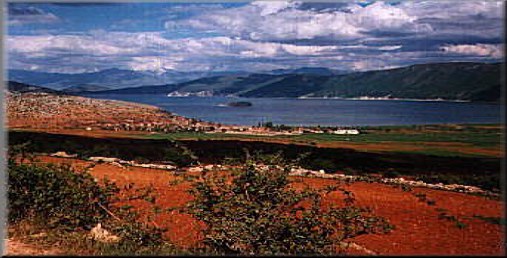 Pustec, Mala Prespa, Albania
The Macedonian Minority in Albania
The part of Macedonia known as Mala Prespa was given to Albania by the Treaty of Versailles in 1919. This treaty finalized the partition of Macedonia between Serbia, Greece, Bulgaria and Albania and began the era of denationalization and forced assimilation of the Macedonians.
Today, the Macedonians in Albania have more freedom and human rights than the Macedonians in Greece and Bulgaria. However, there are still numerous human rights violations in Mala Prespa.
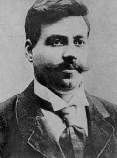
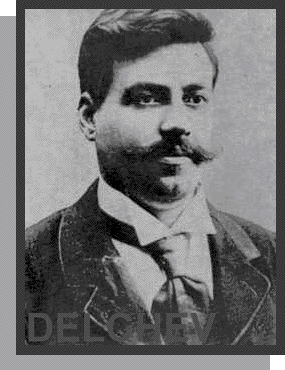 Goce Delcev
1872 - 1903
Goce was born in the village of Kukus on January 23, 1872. He was actively involved in the revolution against the Turkish rule of Macedonia, and fought for freedom and independence of the Macedonian state and the Macedonian people. He was killed in the village of Banica on May 4, 1903.
Goce Delcev
1872 - 1903
Goce was born in the village of Kukus on January 23, 1872. He was actively involved in the revolution against the Turkish rule of Macedonia, and fought for freedom and independence of the Macedonian state and the Macedonian people. He was killed in the village of Banica on May 4, 1903.



 email to giorgi10@lycos.com
GERKOMANIA A DISEASE OF THE MIND
1. To be a Grkoman is a mistake.
2. A good Grkoman is a bad Grkoman
3. Ignorance is a constant companion to the Grkoman!
4. To be a Grkoman,is to live in shame!
5. To be a Grkoman is a tragedy indeed! a Greek blessing.
6. To speak about the Grkoman is to speak with shame!
The honour of the Olympic games belongs to the Ancients not to the Modern Greeks. The Ancients were a different people who would not allow foreigners to participate in their games. Even Alexander the Great of Macedonia was not allowed to participate because by birth he was not one of them
Know that in today's Greece, especially in Macedonia, if you are not a Greek by birth you have no right to own land. The lands and homes of the Macedonian people were annexed by the Greek State and awarded to foreigners from Asia Minor who in the 1920's were relocated to Macedonia. These foreigners, whose populations have now grown, have declared themselves to be the legal heirs of Macedonia and claim that the real Macedonians do not exist.
Behind the veil of the Ancient Olympics are hidden many truths: the spilled blood of Macedonian heroes, the horror of the Greek occupation, the forced assimilation and tyranny of the Greek regimes. At the hands of the Greeks, many Macedonians have endured torture, imprisonment, killings, isolation, hatred and lack of ethnic and basic human rights. These are the forgotten tragedies of the Macedonian people.
Greek chauvinism has planted the seeds of hatred and turned the Greek people into an army of antagonists. To this day, Macedonians live in fear of retribution and don't dare reveal themselves. To this day there are no laws to stop Greek chauvinism.
When you visit the lands of the Ancient Olympics remember the Macedonians.
Georgi F. Todorovski
MACEDONIA FOR THE MACEDONIANS
|
Welcome visitors | Macedonian heroes | Macedonian Poems | Zhelevo | Georgi | My Poetry | Articles | Documents | Makedonski Protesti | Interesting Articles | Macedonian Links | My Photos | My Pets | Comments & Jokes | Gerkoman prayer | The partition of Macedonia | THE MACEDONIANS
Online Journal on Macedonian History and Culture
|
"Macedonia through the Centuries" is an exhibition of documents representing a concise retrospective review on the genesis of the Macedonian people concerning the political, economic and cultural life in Macedonia, in the course of the long period of history, from time immemorial until nowadays. The exhibition has been designed into eleven chronological and thematic entities, following each other and representing the historical development of the Macedonian people, language, statehood and culture through centuries.
MAKEDONIJA
|
Alexander the Great At the Battle of Chaeronea the Greeks were defeated
King of Macedonia and conqueror of the Persian Empire is considered one of the greatest military geniuses of all times. He was inspiration for later conquerors such as Hannibal the Carthaginian, the Romans Pompey and Caesar, and Napoleon the French. Alexander was born in 356 BC in Pella, the ancient capital of Macedonia. He was son of king Philip II of Macedonia, and princess Olympias of neighboring Epirus. He spent his childhood watching his father transforming Macedonia into a great military power, winning victory after victory on the battlefields throughout the Balkans. When he was 13, Philip hired the Greek philosopher Aristotle to be Alexander’s personal tutor. During the next three years Aristotle gave Alexander a training in rhetoric and literature and stimulated his interest in science, medicine, and philosophy, all of which became of importance in Alexander’s later life. In 340 Philip assembled a large Macedonian army and invaded Thrace, leaving his 16 years old son with the power to rule Macedonia in his absence as regent, which shows that even at such young age Alexander was recognized as quite capable. But as the Macedonian army advanced deep into Thrace, the Thracian tribe of Maedi bordering north-eastern Macedonia rebelled and posed a danger to the country. Alexander assembled an army, led it against the rebels, and with swift action defeated the Maedi, captured their stronghold, and renamed it after himself to Alexandropolis.
Two years later in 338 BC, Philip gave his son a commanding post among the senior generals as the Macedonian army invaded Greece. At the Battle of Chaeronea the Greeks were defeated and Alexander displayed his bravery by destroying the Theban Secred Band, the elite Greek force. Some ancients had recorded that the Macedonians won the battle thanks to his bravery.
Greek lies uncovered
| |
The Macedonian Sun is undoubtedly the oldest symbol in the world that still survives as cultural symbol of the Macedonians. This 8-rayed and 16-rayed Macedonian Sun had been cherished by the Macedonians for over 3,000 years. It appears on the coins, military equipment, and art of the ancient Macedonian kingdom, and continued to be National Insignia of the Macedonians throughout history to modern times. The Macedonian sun is found in the icons and frescoes in the churches throughout the whole territory of divided Macedonia, and speaks of volumes of tradition as the Macedonian nation had cherished it for centuries.
Krushevo,Republic of Macedonia
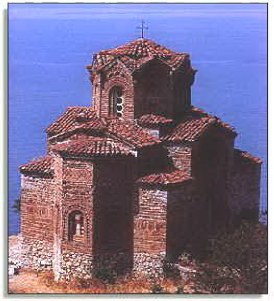
Church in Ohrid,Republic of Macedonia
| |
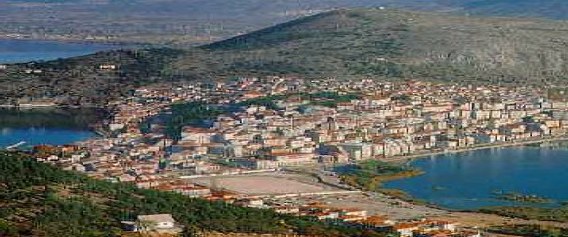
Kostur,Aegea Macedonia
| MACEDONIANS IN GREECE
|
Lerin,Aegea Macedonia
Pustec, Mala Prespa, Albania
The Macedonian Minority in Albania
The part of Macedonia known as Mala Prespa was given to Albania by the Treaty of Versailles in 1919. This treaty finalized the partition of Macedonia between Serbia, Greece, Bulgaria and Albania and began the era of denationalization and forced assimilation of the Macedonians.
Today, the Macedonians in Albania have more freedom and human rights than the Macedonians in Greece and Bulgaria. However, there are still numerous human rights violations in Mala Prespa.
Goce Delcev
1872 - 1903
Goce was born in the village of Kukus on January 23, 1872. He was actively involved in the revolution against the Turkish rule of Macedonia, and fought for freedom and independence of the Macedonian state and the Macedonian people. He was killed in the village of Banica on May 4, 1903.
email to giorgi10@lycos.com
GERKOMANIA A DISEASE OF THE MIND
1. To be a Grkoman is a mistake.
2. A good Grkoman is a bad Grkoman
3. Ignorance is a constant companion to the Grkoman!
4. To be a Grkoman,is to live in shame!
5. To be a Grkoman is a tragedy indeed! a Greek blessing.
6. To speak about the Grkoman is to speak with shame!